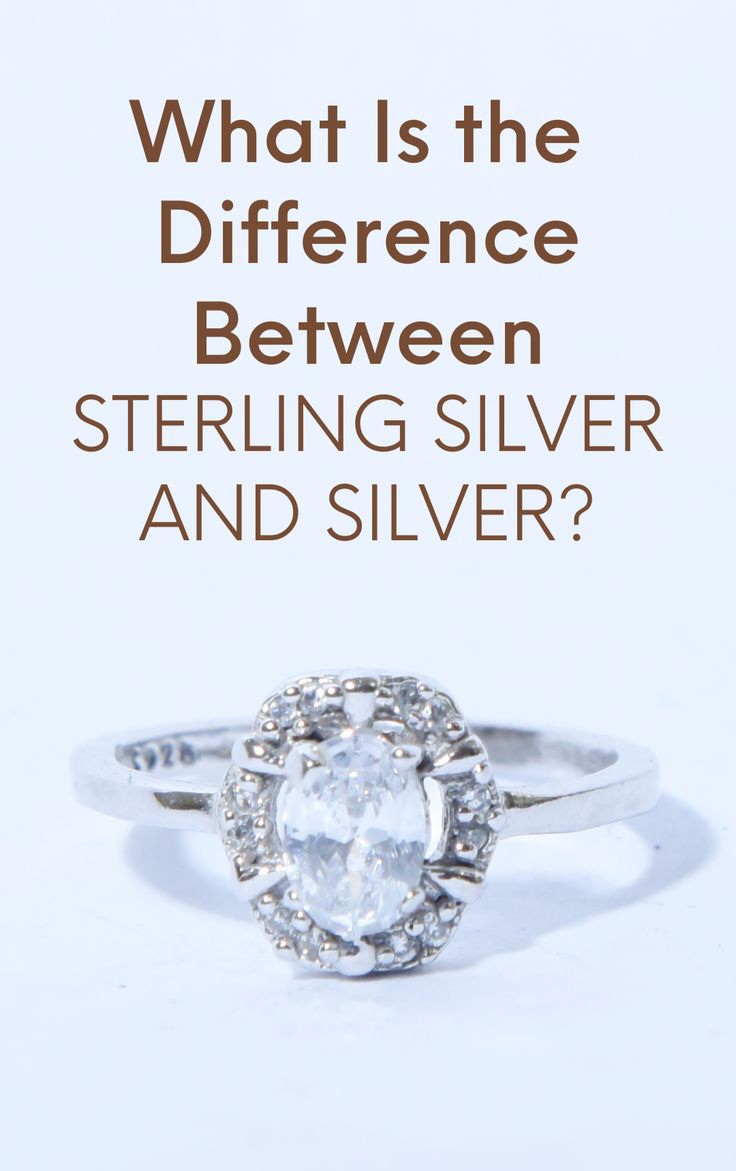
Silver and sterling silver look alike and are both highly valued in the jewelry industry for their immense beauty. But is silver and sterling silver the same? NO.
Source: Pinterest
They differ in composition, durability, tarnish resistance, malleability, and price. Knowing their distinct characteristics is crucial when choosing the right piece for your jewelry line. In this comprehensive guide, we will explain the difference between silver and sterling silver (s999 vs s925) in an easy-to-understand way.
What is Pure Silver (999 Silver)?
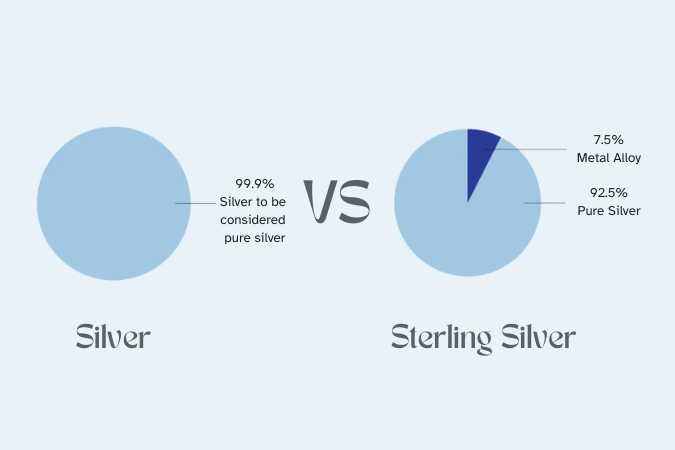
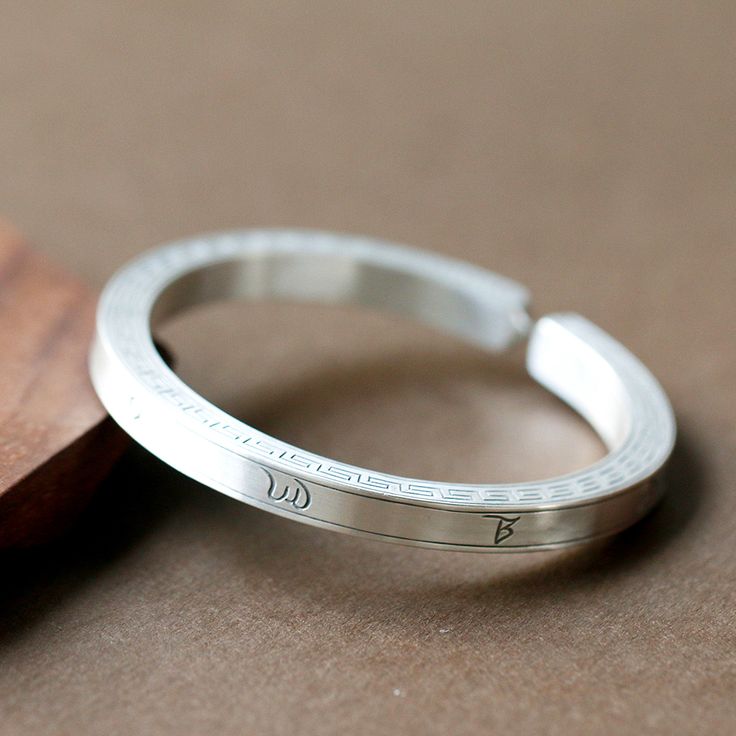
S999 silver meaning (sometimes referred to as “fine silver”) is composed of 99.9% silver and a small amount of natural trace elements. This answers the question of what is s999 silver. It is the highest silver purity used in jewelry and metalwork, often marked with the “999” or “s999” stamp.
The high purity content of S999 silver makes it soft and malleable, which is suitable for intricate jewelry designs but not the best option for everyday wear. Pure silver is not very durable, and it’s prone to scratches & bending because of its softness.
Source: Pinterest
What is Sterling Silver (925 Silver)?
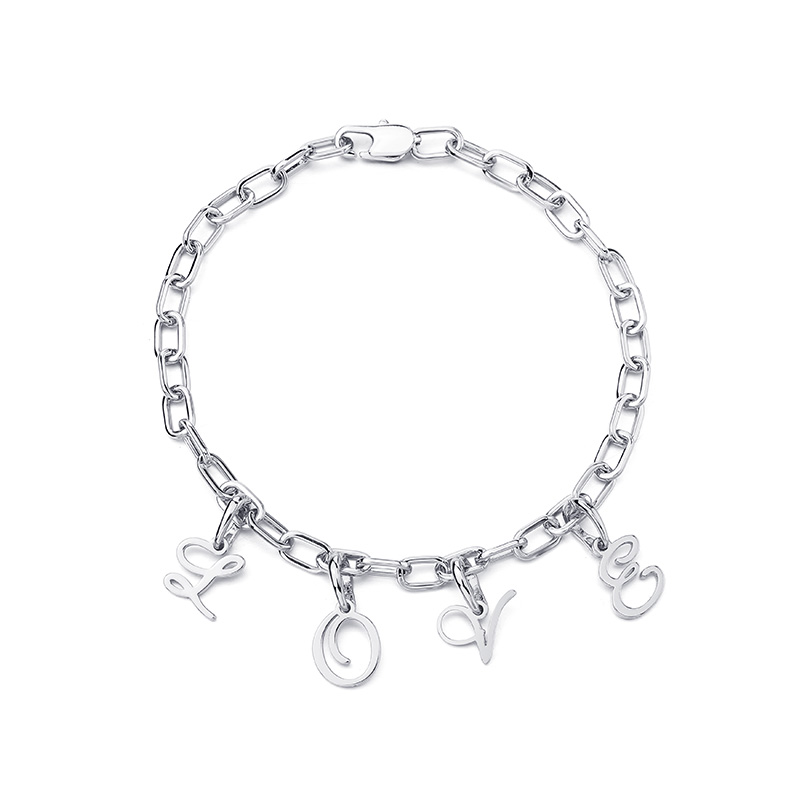
Sterling silver meaning is a composition of 92.5% pure silver + 7.5% alloyed metals (usually copper or zinc). That’s why it’s also called s925 silver and often marked with the “925” or “s925” stamp. This alloy composition follows international standards used in the US, UK, and EU.
The added copper dramatically improves hardness and durability, making sterling silver stronger, easier to shape, and much better suited for jewelry. Sterling silver jewelry is highly resistant to scratches and bending, making it a good choice for everyday wear.
What is the Difference Between Silver and Sterling Silver?
Below is a clear S999 vs S925 comparison, explaining how silver and sterling silver differ in composition, strength, tarnish behavior, and suitability for jewelry. Understanding these distinctions helps you choose the right material.
| Feature | Pure Silver (999) | Sterling Silver (925) |
| Purity | 99.9% silver | 92.5% silver + 7.5% alloy |
| Durability | Very soft; bends easily | Strong and durable for daily wear |
| Tarnish | Tarnishes quickly | Tarnishes slower than pure silver |
| Hallmark | 999 / S999 | 925 / S925 |
| Value | Tarnishes more slowly than pure silver | Offers better long-term wear value, ideal for making jewelry |
Composition
- Pure Silver (S999): Contains 99.9% of silver. This high silver content is instrumental in its softness and malleable texture. While it’s easy to fabricate into various jewelry designs, S999 silver lacks structural strength, making it incapable of withstanding daily wear.
- Sterling Silver (S925): Contains 92.5% silver and 7.5% other metals. Sterling silver is a nickel free metal. Rather than using nickel, which is strong but allergic to sensitive skin, sterling silver uses copper and zinc as alloyed metals. This makes the pure silver stronger and safer for everyday wear.
Durability & Sturdiness
- Pure Silver (S999): Pure silver is very soft, which makes it more prone to scratches, deformation, and dents. Because of its low sturdiness, it’s not often used for jewelry pieces that undergo high-stress applications.
- Sterling Silver (S925): Because of the inclusion of copper and zinc, sterling silver is stronger, tougher, and lasts longer than pure silver. This makes it capable of holding up against knocks, scratches, bending, and dents. Moreover, when sterling silver is rhodium-plated (which we will add to all our silver jewelry), it has an extra protective layer that helps to maintain the jewelry’s appearance and color retention for a long time.
Tarnish Resistance
- Pure Silver (S999): Fine silver is a precious metal, which begins to tarnish after a while, especially because it doesn’t contain alloyed metals that provide extra strength.
- Sterling Silver (S925): Just like pure silver, sterling silver is bound to tarnish, but it will take a longer time. This is due to the numerous protective measures implemented to make sure it retains its original appearance. In addition to the protection derived from the alloyed metals, e-coating is also applied to further enhance its resistance to tarnishing.
Malleability
- Pure Silver (S999): A standout feature of pure silver vs sterling silver is their malleability rate. Pure silver is highly malleable, meaning it can be easily bent or shaped. This makes it ideal for intricate designs and artistic craftsmanship. However, its softness makes it susceptible to deformation under pressure, which is why it’s not always used in frequently worn pieces like rings, earrings, and bracelets.
- Sterling Silver (S925): Also soft, but harder and more rigid than pure silver due to the alloyed metals. This increases its strength, making it less prone to bending or warping. Even though sterling silver is harder, it’s still flexible to be configured into different types of jewelry.
Price and Value
- Pure Silver (S999): The price difference between silver and sterling silver is another defining factor when considering the better option. Silver price varies every day. Pure silver is more expensive due to its higher purity level (99.9% silver).
- Sterling Silver (S925): 925 sterling silver price is lower because it contains only 92.5% silver and it’s alloyed with cheaper metals. Despite this, sterling silver still offers better value like durability, resistance to tarnishing, and versatility for crafting different types of jewelry.
What’s the Difference Between Sterling Silver and Silver Plating?
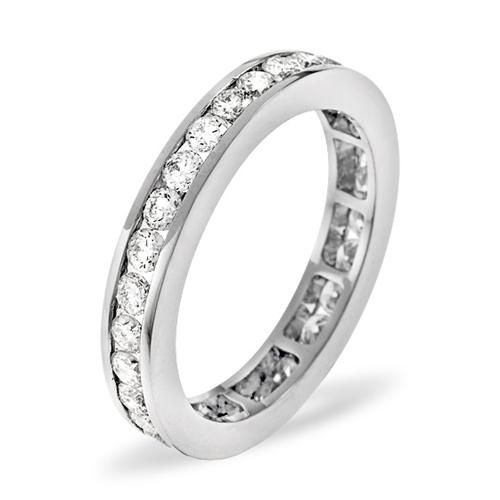
Sterling silver is a composition of 92.5% pure silver and 7.5% alloyed metals, offering durability and long-lasting quality.
Silver plating, on the other hand, involves coating a base metal, such as copper or brass with a thin layer of silver. In a short period, the silver plating may wear off, exposing the metal underneath.
So, Which is Better for Jewelry: Silver or Sterling Silver?
After examining the pros and cons of sterling silver jewelry against silver jewelry, it’s easy to conclude that sterling silver is a better option for jewelry when comparing sterling silver vs silver.
Pure silver is characterized by its high malleability, which makes it unsuitablefor most jewelry because it is prone to deformation, dents, and scratches. When used to make jewelry, it will tarnish quickly and lose its form.
Sterling silver, on the other hand, is stronger and flexible at the same time, which makes it a great element for crafting different types of jewelry. Typically, sterling silver offers a balance between value and practicality, with a cheaper price and a longer lifespan.
How Can You Tell If Sterling Silver is Real?
Identifying real sterling silver doesn’t have to be complicated. With a few simple checks, you can quickly verify whether your jewelry is genuine. Below are the easiest and most reliable ways to tell if 925 sterling silver is real.
Hallmarks or Stamps
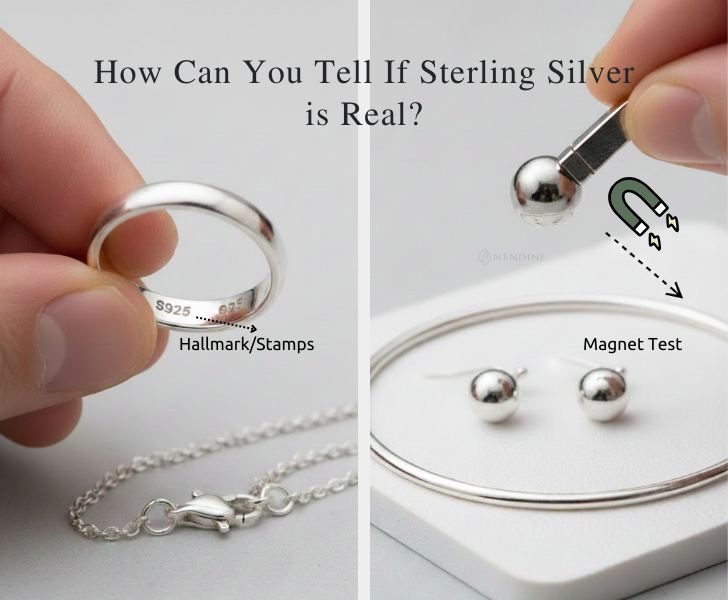
One of the easiest ways to verify if sterling silver is real is by checking for hallmarks or stamps. Simply check the inner linings of the jewelry to see the hallmark or stamp on it.
When you see hallmarks and stamps like 999 or S999, it indicates that the jewelry is pure silver. But when you see hallmark 925 or stamps like S925, 92.5, .925, or Ag925, it means the jewelry is sterling silver. You might also see the word, sterling or SS.
Magnet Test
Silver is a non-magnetic metal, so a simple way to check the authenticity of sterling silver is by using a magnet. Hold a magnet close to the sterling silver jewelry, if it sticks, the 925 sterling silver is fake. But if it doesn’t stick, it is real.
However, note that some sterling silver jewelry may contain alloyed metals like platinum, titanium, and rhodium that are also non-magnetic. So, the best way to tell if a sterling silver is real is by doing the two methods – the jewelry 925 stamp and a magnet test.
Which Type of Silver Should You Choose for Your Jewelry Line?
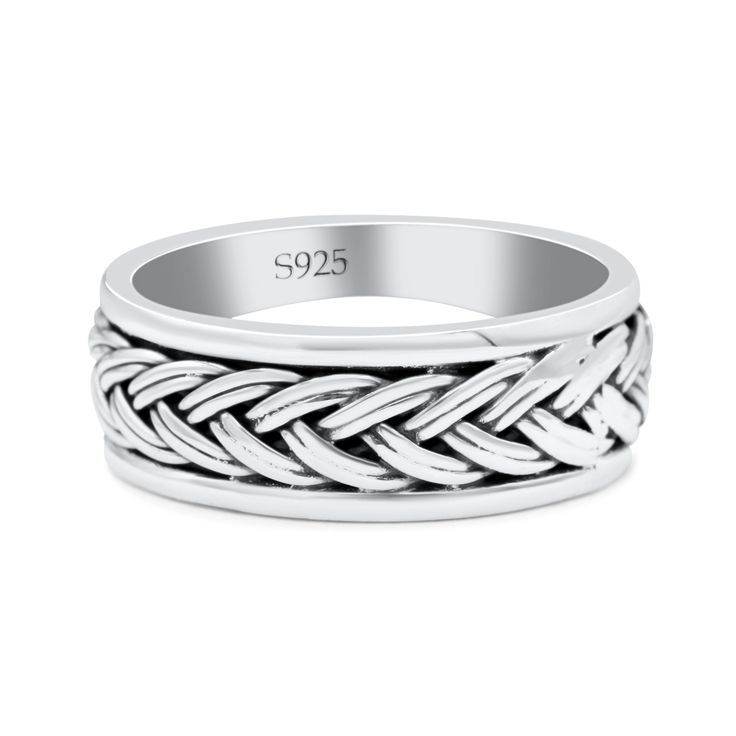
When comparing S925 vs S999 silver, these are the factors you should take into consideration when selecting the type of silver for your jewelry line:
Your Designs and Styles
Most jewelry pieces made out of pure silver are gifts given to children or the elderly, with simple designs. Oftentimes, pure silver is used for investment and heirloom pieces because of their high market value. But generally, if your jewelry line is focused on intricate, delicate pieces with fine details, pure silver is good.
Choose sterling silver if your brand is focused on providing versatile, fashion designs like rings, bracelets, chains, and other everyday jewelry. Sterling silver is best for functional, modern pieces needed to withstand daily wear without losing their shape. You can also explore gold vermeil jewelry as an alternative premium option for functional, stylish pieces.
Your Target Market
Another deciding factor for S999 vs S925 is your target market. If your clientele wants luxury, high-end jewelry, pure silver is the most appealing because of its richer silver purity. It offers a sense of uniqueness and exclusivity, which makes your customers feel special.
But if your target market is more budget-conscious or seeks durable pieces for everyday wear and fashion, choose sterling silver. It serves as an affordable alternative, without compromising on quality.
Your Budget
Comparing the differences between silver and sterling silver is not enough if you don’t examine the costs involved. Pure silver is more expensive due to its high silver content. Thus, it requires a larger upfront investment, particularly for a big jewelry line.
Sterling silver, on the other hand, is more affordable while still delivering quality jewelry pieces. It allows for greater flexibility if you’re working within a tight budget and don’t want to sacrifice the value of your products.
Why Do Jewelry Brands Chase After 925 Silver Over 999?
Jewelry brands are beginning to realize the truth about the s925 vs s999 debate, and are chasing after 925 silver because of these 2 major reasons:
- High-end Touch and Affordability
The cost of pure silver fluctuates frequently, but sterling silver allows you to save money and create high-end jewelry at a more affordable price.
Customers also benefit from this as they get durable and exquisite jewelry that exudes a premium feel at a lower price. This grants you access to a broader market and higher profits.
- Sustainable Material
Sterling silver uses less pure silver, making a sustainable jewelry manufacturer conserve resources and produce less carbon when mining for the silver needed.
Also, sterling silver is recyclable, meaning old or damaged pieces can be melted down and reused to create new designs. This makes it an eco-friendly alternative to pure silver, catering to the growing customers’ demands for sustainability.
Key Takeaway
Understanding the comparison of silver vs sterling silver is essential in making an informed decision for which is better. Pure silver is expensive but offers better services when you need an intricate, fine detail design. Whereas, sterling silver is cheaper and ticks all the boxes when considering a large target market, durability, tarnish resistance, and environmental sustainability.
FAQs & More Facts About Silver
Argentium silver is a modern sterling silver, containing a higher percentage of pure silver. It’s available in options of 93.5%, 94%, or 96% pure silver and alloyed metals, usually germanium for more resistance to tarnishing, durability, and brightness.
“AG 925” means the jewelry is sterling silver. “Ag” is the chemical symbol for silver, and “925” shows the piece contains 92.5% pure silver mixed with 7.5% alloy for added strength and durability.
Yes, sterling silver and 925 silver are real silver. Sterling silver is sometimes called 925 silver, which is an indication of its composition (92.5% pure silver and 7.5% alloyed metals).
Yes, sterling silver is waterproof. However, be cautious of how often and how long it stays in water. Prolonged exposure to water, particularly saltwater from the ocean, chlorinated water in swimming pools, or chemicals in the shower like shampoo and soap, can cause damage over time. See our detailed guide on waterproof jewelry for more.
Sterling silver can last for years if maintained properly. However, ensure you take caution about factors like moisture and chemicals because they influence how long sterling silver stays in pristine condition.
No, sterling silver does not turn green. It’s not made of metals like brass and nickel that cause skin discoloration in the form of a greenish tint.
Yes, 925 sterling silver will tarnish, but this is after a very long time of everyday use. Meanwhile, the tarnishing can be easily cleaned by a silver polishing cloth or a professional to restore the jewelry’s original shine. To learn more, explore our detailed insight into tarnish free jewelry guide.
Rust is the oxidation of iron and sterling silver does not contain iron. So, sterling silver does not rust.