If you are wondering what silver doesn’t tarnish, the top two options you can trust are rhodium-plated silver and argentium silver. Rhodium-plated silver has a thin layer of rhodium over the sterling silver, which makes it very strong against tarnishing. Argentium silver, on the other hand, is alloyed with germanium, which forms an invisible oxide layer on the jewelry to act as a barrier against tarnishing.
In this guide, we will explore various silver that doesn’t tarnish and highlight their characteristics to help you make an informed buying decision.

Silver That Does Not Tarnish: Tarnish Resistance Comparison Table
Here is a breakdown of the various types of silver jewelry that can withstand tarnishing, with their tarnish resistance level, durability, cost, and key insight.
| Silver Type | Tarnish Resistance | Durability | Cost Level | Key Insight |
| Rhodium-Plated Sterling Silver | ⭐⭐⭐⭐⭐ | High | $$ | Strong protective barrier |
| Argentium Silver | ⭐⭐⭐⭐☆ | Medium-High | $$ | Built-in oxidation resistance |
| Fine Silver + E-Coating | ⭐⭐⭐⭐☆ | Medium | $$ | Needs coating to prevent tarnish |
| Thick Gold-Plated Silver (Vermeil) | ⭐⭐⭐⭐☆ | Medium-High | $$$ | Thick gold layer prevents exposure |
| Uncoated Sterling Silver | ⭐⭐☆☆☆ | Low | $ | Copper causes tarnish |
What Type of Silver Do Not Tarnish Easily on Jewelry?
Naturally, silver reacts with sulfur compounds in the air, so no silver is 100% tarnish-proof. However, some types are designed to significantly resist tarnishing. They include argentium silver, fine silver with e-coating, rhodium-plated with sterling silver, and gold vermeil, as explained below:
Argentium Silver
Argentium silver is a modern upgrade to traditional sterling silver jewelry, especially with how it replaces much of the copper alloy with germanium. This change creates a protective oxide layer on the silver surface to serve as a barrier against sulfur compounds in the air, making it highly resistant to tarnishing.
The compositional change also makes it brighter, stronger, and easier to maintain than standard sterling silver. Since there’s less copper content in it, it becomes more hypoallergenic and suitable for sensitive skin.
Argentium silver is best for premium and artisan jewelry collections where customers value long-lasting shine with minimal care.

Fine Silver with E-coating
Fine silver has the highest purity amongst all the types of silver—it’s made with 99.9% pure silver. But the problem is that fine silver is too soft and susceptible to damage, meaning it’s not ideal for everyday jewelry like rings or bracelets.
Many people say pure 999 silver doesn’t tarnish. The truth is, as a professional jewelry manufacturer with over a decade of experience, we can confirm to you that even without exposure to water or chemicals, fine silver will still tarnish when exposed to air unless it is coated. This may happen slower than sterling silver, but it is unavoidable.
Thus, the solution is to apply e-coating. How e-coating protects your jewelry is to add a transparent protective layer that improves tarnish resistance while preserving the natural silver color and shine.
Fine silver with e-coating is best for brands that want to market the “pure silver” story while still offering practical durability.

Rhodium-plated Sterling Silver
Over the years, there has been a comparison of rhodium-plated vs sterling silver jewelry. The difference lies in the additional step taken to craft rhodium-plated sterling silver—applying a thin layer of rhodium (a platinum-group metal) over 925 sterling silver. It is highly reflective, extremely hard, and chemically inert, giving the jewelry a brilliant, mirror-like, white finish.
The thin layer of rhodium acts as a protective shield that prevents the silver beneath from reacting with sulfur, moisture, or air. As long as the plating remains intact, the rhodium-plated sterling silver will always be a top choice when asked what type of silver doesn’t tarnish.
Rhodium-plated sterling silver is best for affordable luxury and mid-to-high end jewelry collections that aim to deliver a premium look.

Thick Gold-plated Sterling Silver (Gold Vermeil)
Thin gold plating wears off quickly, exposing the sterling silver base and causing quick tarnishing. In contrast, gold vermeil jewelry is coated with a thick layer of gold (at least 2.5 microns) over sterling silver. This substantial coating provides a luxurious gold appearance while acting as a stronger protective barrier against oxidation.
While gold vermeil offers better tarnish resistance than thin gold plating, it’s still recommended to dry the jewelry after exposure to moisture to extend its lifespan. It’s also advisable that you don’t allow it to touch harsh chemicals.
Thick gold-plated sterling silver is best for mid-to-high end jewelry brands targeting customers who want a luxurious gold look combined with better durability.

What is the Best Silver That Doesn’t Tarnish for Jewelry?
The best tarnish-resistant silver jewelry depends on your priority (whether durability, cost, or aesthetics), but the top options are:
- Best Overall for Jewelry: Rhodium-plated sterling silver
Rhodium-plated sterling silver offers the highest level of protection against tarnishing combined with a premium, bright white finish.
- Best Low-maintenance Alloy: Argentium silver
Argentium silver is engineered for improved tarnish resistance, requiring minimal upkeep while maintaining excellent longevity.
- Best “Pure Silver” Option: Fine silver with E-coating
Fine silver offers high purity, and when combined with an e-coating, it gains added protection while preserving its authentic silver appearance.
- Best Gold-look Alternative: Gold vermeil (thick gold-plated sterling silver)
Gold vermeil features a thick layer of gold over sterling silver, delivering a luxurious gold look with strong resistance to tarnishing.
What Type of Silver Tarnishes Faster on Jewelry?
Not all silver types perform equally—it depends on the jewelry manufacturing. Some tarnish faster due to their composition and lack of external protection.
Uncoated Sterling Silver
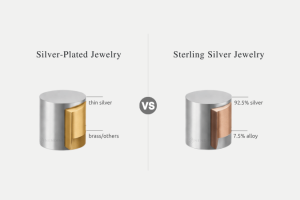
Uncoated sterling silver tarnishes quickly because it contains about 7.5% copper, which reacts with sulfur compounds in the air. And since it isn’t protected with rhodium or E-coating, the tarnishing gets faster. This type of silver requires frequent polishing and shouldn’t be exposed to water, whether it’s swimming or showering.
Thin Silver-plated Jewelry
Thin silver plating over a base metal (such as brass or copper) wears off quickly from daily friction, thereby exposing the underlying metal to oxidation. This type of jewelry can’t last long. You have to ensure it doesn’t come in contact with water if it’s to be in good shape during its lifespan.
If you want to better understand the differences in durability and tarnish resistance, check out our guide on Silver-plated vs Sterling Silver Jewelry: What’s the Difference?

Does 925 Sterling Silver Tarnish?
Yes, 925 sterling silver jewelry tarnishes over time because the 7.5% copper alloy added to the 92.5% silver reacts with sulfur in the air, moisture, and skin oils to form a black, dull coating. The good news is that tarnish is only a surface effect and can be easily removed, restoring the original shine with a simple silver polishing cloth.
How Long Does It Take for Sterling Silver to Tarnish?
The speed of tarnish depends on your environment and care routine. When exposed to moisture, tarnishing may begin to show within a week or two. But in dry climates, it can take several months. However, with proper care—which involves regular cleaning and storing the jewelry in airtight bags, it can maintain its shine for years.
Does Rhodium-plated Silver Tarnish?
No, rhodium-plated silver does not tarnish easily. The silver base is protected by rhodium, a tough protective compound that prevents tarnishing and keeps the jewelry bright & shiny. However, when the rhodium wears off, the underlying silver can begin to tarnish. The solution in this case is to re-plate the jewelry to restore its protective qualities.
Does Gold-plated Sterling Silver Tarnish?
Yes, gold-plated sterling silver can tarnish once the gold layer wears off. The speed of tarnishing depends on how often you wear the jewelry and how thick the plating is. Thicker plating (such as gold vermeil) resists tarnishing better and can maintain its shine for up to 2 years if properly maintained.
Does Argentium Silver Tarnish?
Argentium silver is highly resistant to tarnishing compared to traditional sterling silver, thanks to its improved alloy composition. However, it is not completely tarnish-proof. Over time, it can still develop light oxidation if exposed to chemicals, lotions, perfumes, or high-moisture environments. Regular care can help maintain its bright, clean appearance.
How to Prevent Silver Jewelry from Tarnishing?
It’s not only about getting answers to questions like: does real sterling silver tarnish or does sterling silver tarnish in water, it’s also imperative that you know how to prevent them from tarnishing.
Here are some straightforward ways to keep your silver jewelry from getting bad:
For Consumers
- Avoid exposure to moisture, sweat, perfumes, and chemicals.
- Remove jewelry before swimming, showering, or exercising.
- Store your jewelry in airtight bags or anti-tarnish pouches.
- Clean them with a silver polishing cloth.
- Rotate your jewelry pieces to give them “rest” time in storage.
For Jewelry Brands
- Partner with a sustainable jewelry manufacturer who will apply protective finishes like rhodium and e-coating.
- Use thicker coating for gold-plated sterling silver to enhance the durability.
- Provide quality anti-tarnish packaging, care guides, and polishing clothes for customers.
- Educate customers through product description and after-sales support.
Conclusion
No silver is completely immune to tarnishing, but options like rhodium-plated silver, Argentium silver, fine silver with e-coating, and gold vermeil can significantly slow the process. By choosing the right material and maintaining proper care, you can keep your jewelry looking bright and long-lasting.
FAQs
Silver reacts naturally with sulfur compounds in the air, which causes them to tarnish even when not worn. The best way to slow this process is to keep them in airtight bags.
It appears as a dull, gray, yellow, or black film on the silver surface, thereby reducing the jewelry shine.
High-quality silver (especially argentium and rhodium-plated silver) does not turn green nor cause discoloration on the skin. Green discoloration is usually caused by silver options that contain low-quality base metals like brass, zinc, or copper. To keep silver jewelry looking shiny longer, read our guide on Ways to Prevent Silver From Tarnish.
Yes, sterling silver can change color from bright white to yellowish or darkened tones as tarnish develops. But this is reversible with polishing.
Yes, both will tarnish over time. They are plated with a thin layer of gold, which will wear down easily. Thicker vermeil-style plating (about 2.5 microns) lasts longer than thin plating.