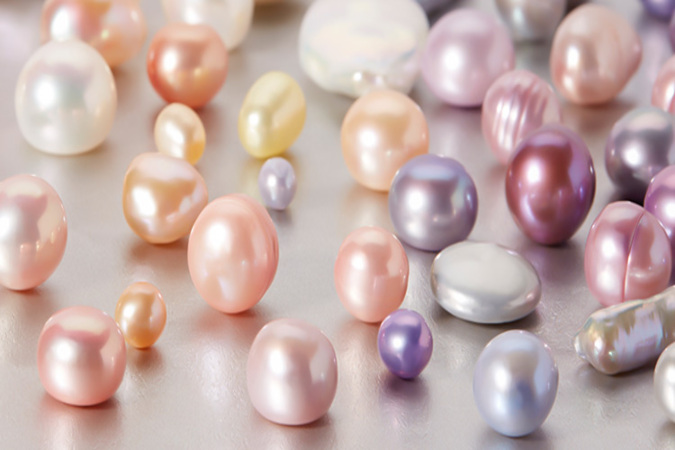
There is no single pearl color that is always the most expensive, as value also depends on pearl type, size, luster, surface quality, nacre, and overall quality. However, deep golden South Sea pearls, high-quality white South Sea pearls, and desirable Tahitian colors such as peacock can command some of the highest prices.
In this guide, we explore the most expensive pearl colors, the rarest pearl color, their prices, and the major factors responsible for their distinctive colors.

Most Expensive Pearl Color: Pearl Price Chart
How much does one real pearl cost? Below is a table that contains the top 6 most valuable pearl colors and their estimated price:
| No. | Pearl Color | Price Range | Pearl Type |
| 1 | Golden Pearl | $200 – $1500 | South Sea Pearl |
| 2 | White Pearl | $200 – $1500 | South Sea Pearl |
| 3 | Peacock Pearl | $200 – $1200 | Tahitian Pearl |
| 4 | Blue Pearl | $200 – $1000 | Tahitian Pearl |
| 5 | Black Pearl | $100 – $800 | Tahitian Pearl |
| 6 | Pink Pearl | $100 – $300 | Akoya Pearl |
Note: Prices are indicative only. Pearl value cannot be determined by color alone and also depends on pearl type, size, luster, surface quality, nacre, and matching.
Tip: In addition to pearl price, if you’re curious gemstone prices, you can also explore the most valuable birthstones in order – from the most to least expensive, which gives a broader view of rarity and market value across gemstones.
What Is the Most Expensive Pearl Color?
There is no universal “most expensive” pearl color because color is only one factor in pearl valuation. However, deep golden South Sea pearls are among the best-known high-value color varieties, especially when they combine rich color with large size, strong luster, clean surfaces, and high nacre quality. White South Sea pearls and desirable Tahitian colors such as peacock can also command high prices. Below are the top 6 most expensive pearl colors and their features:
1. Golden South Sea Pearls
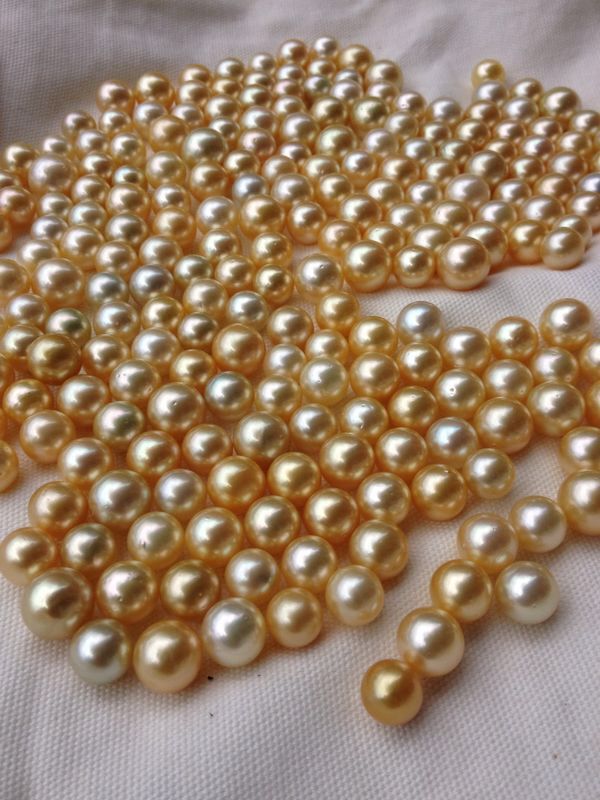
This is a saltwater pearl majorly found in the Philippines. Golden South Sea pearl is one of the biggest pearl sizes produced in the shell of a Pinctada Maxima and it possesses thick nacre layers that display captivating hues such as yellow or champagne.
The pearl price falls between $200-$1500, making it one of the most expensive pearls. It is very valuable because of its large size and also because it requires a longer duration to fully form within its mollusk (2-4 years).
2. White South Sea Pearls
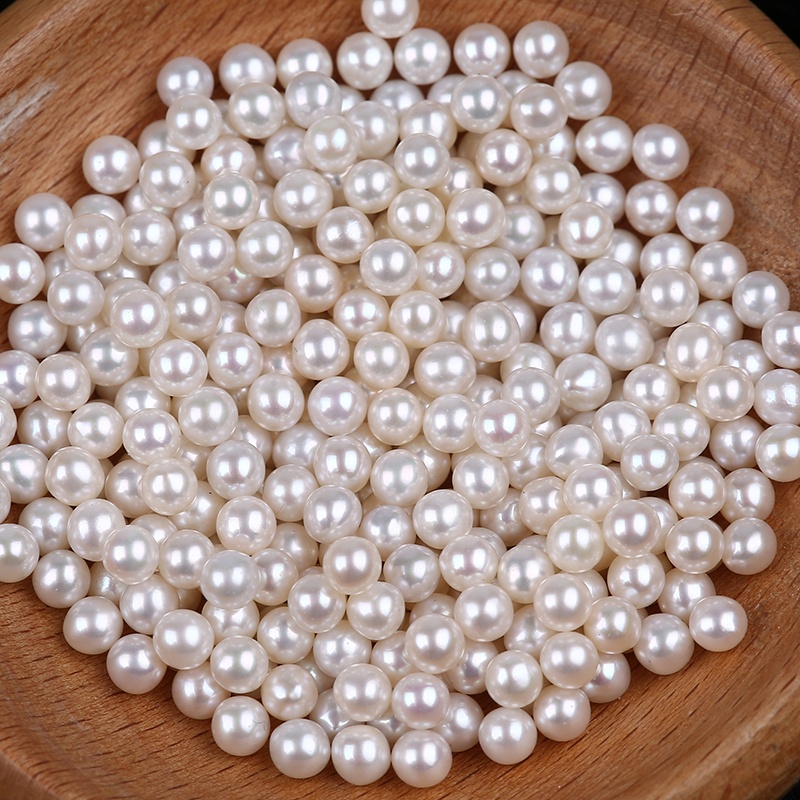
White is the most common color for cheap pearls, however, the South Sea variety stands out totally. While they are cultured in The Philippines and Indonesia, they possess unique shapes and structural rose overtones that set them apart from conventional white pearls.
The price of white pearl jewelry falls between $200-$1,500, and this is a result of its rarity and the uniform colorful display it introduces to any outfit.
3. Peacock Tahitian Pearls
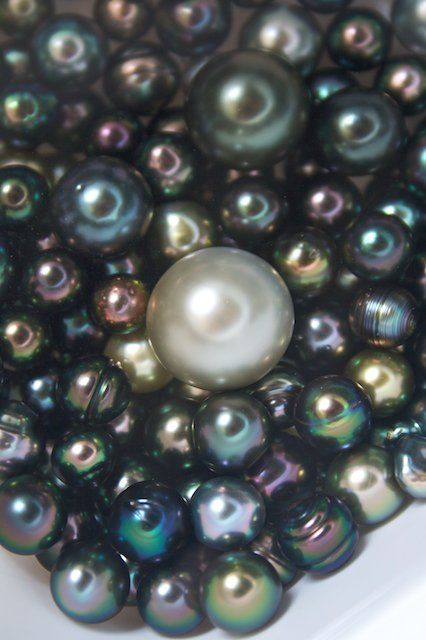
Just like the feathers of a peacock, this pearl exhibits a myriad of lustrous natural colors. Peacock pearl color is a class of Tahitian pearl cultured in French Polynesia. Its body color is usually dark grey-green with pink, purple or gold overtones that become visible when light reflects on its surface.
This pearl color sits between $200 and $1200 because it is formed by unique pigments and trace elements that can only be found in certain parts of the South Sea.
4. Natural Blue Pearl
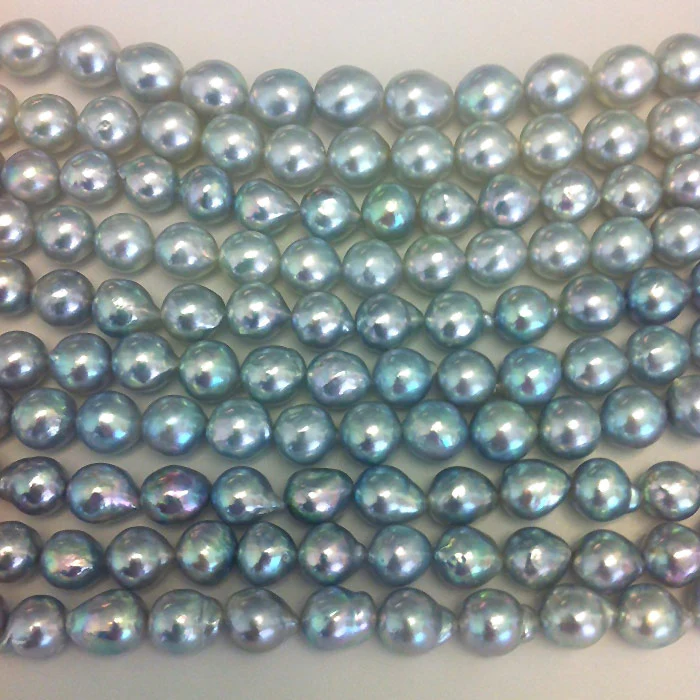
This is another rare pearl color famously known to be a type of Tahitian pearl. It exudes eccentric ethereal hues that make its surface display the look of an ocean. Its color shades include sky blue, silver blue, navy blue, and deep cobalt.
So, how much are blue pearls worth? Because the natural conditions that create blue coloration are extremely difficult to replicate, blue pearls are highly valued. Prices typically range from $200-$1,000, depending on size, luster, and surface quality. High-quality blue pearls are often sourced from sustainable jewelry manufacturer.
5. Black Pearl
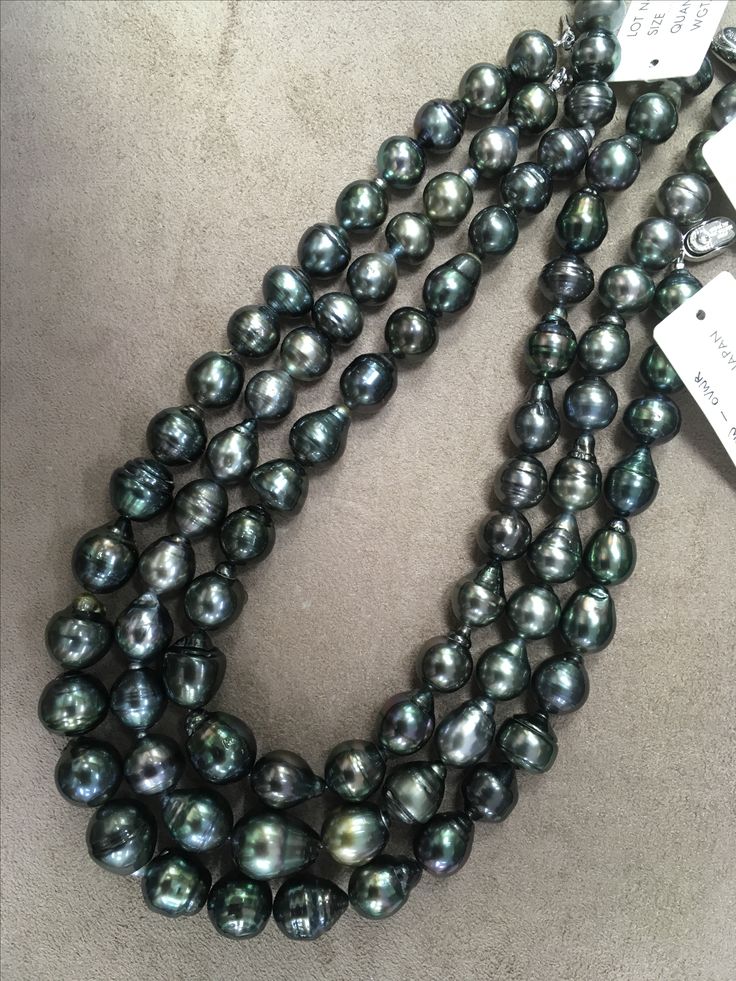
Natural black pearls are known to be a type of Tahitian pearl. Their nacre layers accommodate overtones that display light silver or dove grey hues, depending on interaction of light with nacre thickness and structure.
A lot of black pearls on the market are usually dyed such as Akoya and freshwater, however, the rare ones of Tahitian pearls formed in French Polynesia do retain their natural color.
Are black pearls expensive? How much are black pearls worth? Well, natural black pearls are expensive. Black pearls prices fall between $100-$800 because they take almost 2 years to form within their mollusk.
6. Pink Pearl
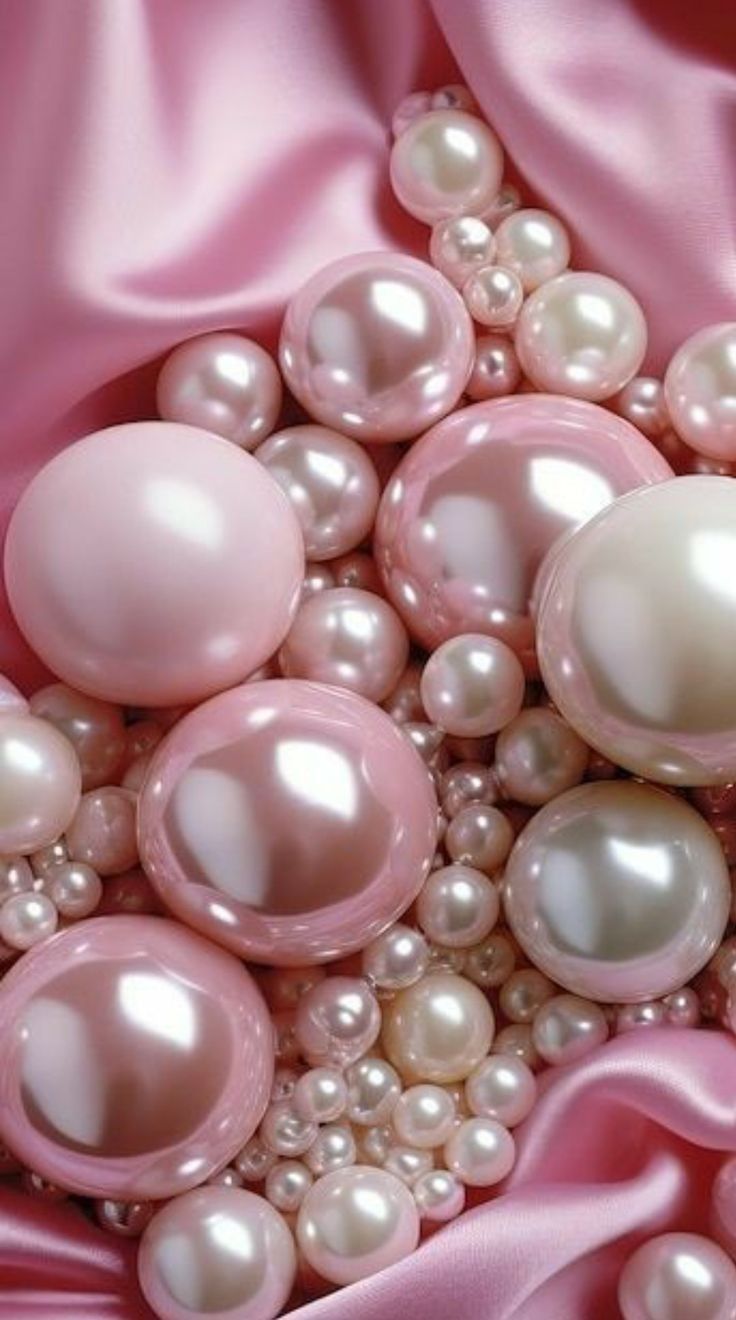
Pink pearl is a freshwater pestel color that hardly fades. It is widely known to be round and shiny, with captivating overtones like rose, gold, aquamarine, and silver. This lustrous gem originates from China and it is an Akoya pearl variety.
Are pink pearls expensive? Compared to white freshwater pearls, yes. Only a small percentage of harvested pearls meet the strict quality standards required for fine jewelry, which drives up their value. So, how much are pink pearls worth? Pink pearl prices usually range from $100 to $300, depending on quality and finish.
What Is the Rarest Pearl Color? Pearl Color Rarity Chart
There is no universal industry ranking for the rarest pearl colors. Rarity depends on pearl type, whether the color is natural or treated, production volume, and the quality of the individual pearl. However, Natural blue pearls are widely considered the rarest pearl color, followed by a few highly unique and limited-production varieties such as golden South Sea pearls, Conch pink pearl, peacock Tahitian pearl, and natural purple pearl. These pearls are rare due to specific mollusk types, environmental conditions, and low natural occurrence rates.
| Rank | Pearl Color | Typical Source | Why Rare |
| 1 | Natural Blue Pearl | Akoya / Tahitian | Extremely rare natural pigmentation |
| 2 | Golden South Sea Pearl | South Sea | Limited regions + long cultivation |
| 3 | Conch Pink Pearl | Caribbean Conch | Cannot be reliably cultured |
| 4 | Peacock Tahitian Pearl | Tahitian | Rare overtone combination |
| 5 | Natural Purple Pearl | Freshwater | Strong natural color is uncommon |
1. Natural Blue Pearl
Natural blue pearls are considered the rarest due to their extremely limited natural pigmentation. While blue tones can appear in several pearl types, strong and untreated blue coloration forms under very specific conditions and is rarely found in high-quality specimens.


2. Golden South Sea Pearl
Golden South Sea pearls are rare because they are produced only by gold-lipped oysters in limited regions like the Philippines and Indonesia. Their long cultivation time and large size make high-quality specimens relatively scarce in the global market.
3. Conch Pink Pearl
Conch pink pearls are among the rarest pearls because they come from the Caribbean queen conch and are generally considered not reliably cultured. Their unique flame-like structure and natural pink color make them highly collectible and difficult to source consistently.


4. Peacock Tahitian Pearls
Peacock Tahitian pearls are valued for their rare overtone combination of green, purple, and blue hues. Only a small percentage of Tahitian pearls develop this complex coloration, making high-quality peacock pearls less common and highly desirable.
5. Natural Purple Pearl
Natural purple pearls are mainly found in freshwater varieties, but strong and evenly distributed purple tones are uncommon. Many purple pearls on the market are treated, making naturally colored high-quality purple pearls relatively rare.

How Pearl Color Impacts Price?
Color can influence pearl value, but it should never be evaluated in isolation. Two pearls with a similar color can have very different prices depending on their pearl type, size, luster, surface quality, nacre, shape, and matching. Within a particular pearl type, several aspects of color can affect desirability and value.
Popularity & Rarity
Classic and timeless pearls are highly sought after, making them consistently valuable. Rare pearl colors are expensive because they are hard to find, produce, and meet market demands.
Pearl Body Color
The body color of a pearl refers to the dominant visible color on its surface, and this is influenced by its mollusk type, mantle tissue, and environmental condition. Real pearl price is greatly influenced by the class of color it displays, hence why a gold pearl price is higher than a purple pearl price, green pearl price and yellow pearl price.
Pearl Overtone
Overtone refers to the subtle colors present on the pearl’s main body color. They are in the form of translucent hues that become visible when light reflects on the pearl’s surface. While pearls with complex overtones like rose usually carry a higher value than regular green overtones, those with combinations of overtones are still the most valued.
Pearl Orient
Orient is a floating rainbow-like sheen present within a pearl. When a pearl resists the entrance of light, it breaks down all color components to create more visibility for its orient, increasing the reflection.
What Colors Do Pearls Naturally Come In?
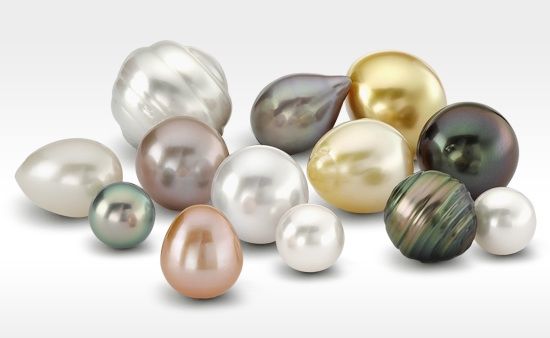
Pearls can come in different natural colors and overtones. Here are some natural colors for different types of pearls:
- Freshwater Pearl: White, pink/cream, purple, with overtones of rose, silver, and cream.
- Akoya Pearl: White, cream, yellow, and gray, with overtones of rose, silver, gold and cream.
- South Sea Pearl: Golden, yellow, white, and silver colors, with overtones of pink, cream or silver.
- Tahitian Pearl: Dark and exotic colors like aubergine, blue, green, grey, black, with overtones of blue, brown and pink.
Note: Freshwater pearls, Akoya pearls, South Sea pearls, and Tahitian pearls are all cultured pearls. The differences between natural pearls and cultured pearl is that a natural pearl develops within a mollusk on its own while cultured pearls are a product of human intervention.
What Makes Pearls Different Colors?
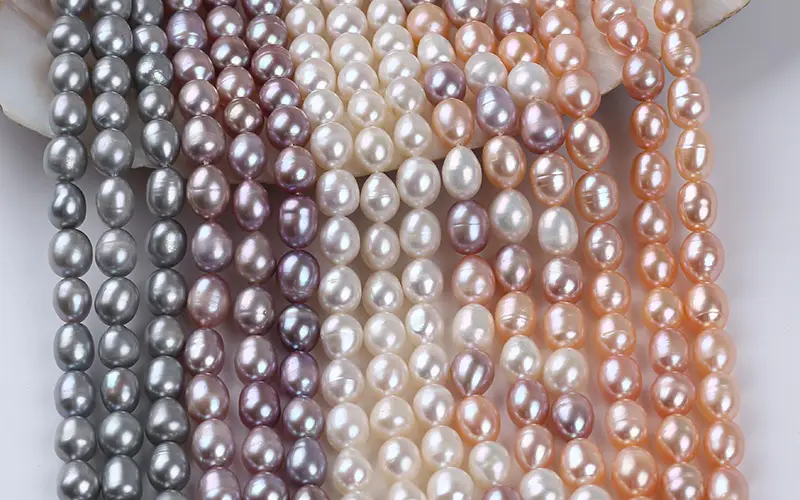
Pearl color is influenced by several natural and environmental factors:
- Mollusk Type
The type of mollusk plays a primary role in determining pearl color. Different oysters produce different base hues. For example, black-lipped oysters create dark Tahitian pearls, while Pinctada maxima oysters produce white or golden South Sea pearls.
- Nacre Thickness
Nacre is the layer deposited around the pearl. Thicker nacre enhances depth, richness, and iridescence, resulting in more vibrant and complex colors.
- Environment
Water conditions such as temperature, mineral content, and the mollusk’s diet affect how pigments develop. These factors influence how light is absorbed and reflected, shaping the final color.
- Overtone
Overtones are subtle secondary hues that appear over the pearl’s main body color. They add depth and complexity, often increasing a pearl’s visual appeal and value.
- Treatments
Some pearls are treated through dyeing, bleaching, or irradiation to achieve specific colors. Naturally colored pearls are generally more valuable due to their rarity.
How Much Are Pearls Worth?
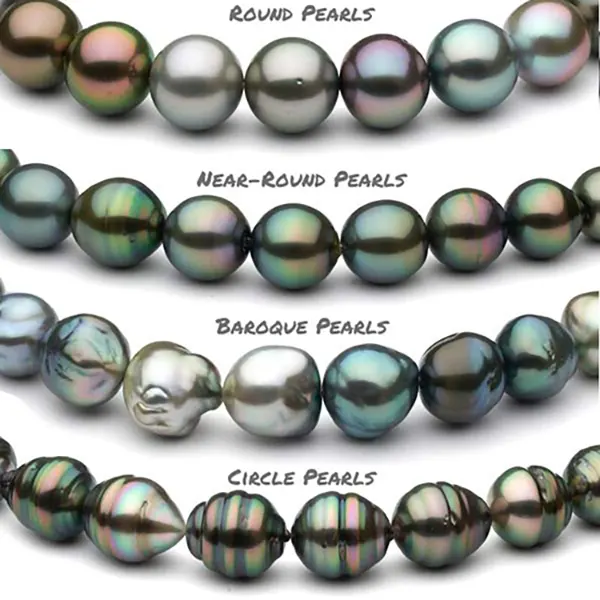
Pearl value depends on much more than color alone. Size, shape, luster, surface quality, nacre quality, pearl type, and overall quality can all affect the final price. This means two pearls with a similar color can have very different values. For example, a large pearl is not necessarily more valuable if it has poor luster or significant surface blemishes. For a more detailed breakdown of pearl prices by type and quality, see our guide on How Much are Pearls Worth? 2026 Pearl Price and Real Examples.
Things to Consider When Choosing Pearl Colors For Your Jewelry Line
The color selections you choose for your jewelry line can influence the amount of turnover your business will get. The tips below will help you make an informed decision on the best colors to choose.
Consider Your Target Market
Understanding your target market will give room for necessary adjustments. For the high-end market, consider South Sea pearls (gold, yellow, or white) and Tahitian pearls (black, blue, or green). For the middle-end market, consider Akoya pearls (cream, yellow, or grey). For the fashion market, go for freshwater pearls (purple, pink, or green) or more affordable options like shell pearls.
Understand Customer Preferences
Discover the preferences of your target demographic: Young adults may prefer the trendy and vibrant look of pink or lavender pearls. Luxury buyers are often drawn to golden or black South Sea pearls for their high-end appeal, while Bridal jewelry often lean towards white or ivory pearls for classic and romantic pieces.
Balancing Luxury and Affordability
While rare and popular pearl colors are enchanting and alluring, they can be quite expensive. It is advisable to use a small number of pearls as adornments to reduce budget, or consider alternative pearl types if they have the same pearl color.
Key Takeaway
The most expensive pearl color is the golden South Sea. The rarest pearl color is the natural blue pearl. Their rarity and uniqueness make them blend into both high-end and middle-end apparel, creating a potential market that your brand can tap into.
FAQs
Yes, natural black pearls—especially Tahitian pearls—are generally considered quite valuable. Their rarity, deep hues, and complex cultivation make them valuable. Freshwater black pearls are more accessible and more affordable.
Prices vary depending on type and quality. Most black pearls range from $100–$800. Cultured freshwater or dyed pearls can start from $50, while Tahitian cultured pearls typically range from $200 to $2,000.
Yes! Natural black pearls are real. The most well-known type of black pearl is Tahitian pearls, which are known for their natural, untreated, dark body color. Today, most black pearls on the market are cultured, but are still beautiful and available at an affordable price.
Yes, natural black pearls are extremely rare due to the specific conditions needed for their formation. Cultured black pearls are more available but still less common than typical freshwater or Akoya pearls.
Black pearls are often more expensive than white pearls because they are rarer and mainly come from Tahitian oysters. Their price depends on color depth, overtones, luster, and surface quality, while white pearl prices vary widely based on type and origin.
White is the most common, popular, and best pearl color. It blends in with virtually any outfit and it is often associated with weddings and graduation celebrations. White pearls are considered as a symbol of purity, innocence, peace, and tranquillity.
The most expensive pearl ever sold is La Peregrina Pearl, a historic natural pearl once owned by royalty and later by Elizabeth Taylor. It sold for over $11 million at auction.