Gold-plated jewelry offers the look of luxurious gold options like 14K-24K gold, but without the high cost. However, many people wonder: does gold-plated jewelry tarnish? How well does it really hold up over time?
In this guide, we will explain how gold-plated jewelry holds up over time—especially if it tarnishes and how long it can last.

Does Gold Plated Jewelry Tarnish?
Yes, gold-plated jewelry can tarnish over time.
Before going further, it’s important that you know what gold-plated jewelry is to understand why it tarnishes. Gold-plated jewelry is basically a base metal (copper, brass, or silver) that’s coated with a thin layer of gold. While gold in itself is highly resistant to tarnish, the gold layer used in this jewelry is so thin (typically about 0.5 microns) that it wears off quickly, thereby exposing the base metal to tarnishing.
Though, how fast the gold layer wears off depends on factors like daily wear, friction, moisture, and chemicals. It typically maintains its shine for about 6 months.
Does Gold Plated Sterling Silver Tarnish?
Yes, gold-plated sterling silver jewelry does tarnish. This is because the thin layer of gold wears down, then exposes the underlying sterling silver to air, moisture, and oxygen—which causes it to oxidize.
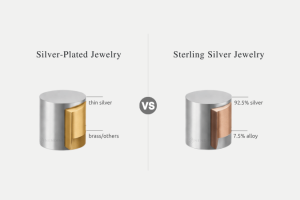
It’s worth mentioning that sterling silver is composed of 92.5% pure silver and 7.5 alloy metals (mainly copper). While the pure silver is resistant to corrosion, the copper content reacts with air, moisture, and oxygen. This makes the jewelry darker or develops a dull tone over time, particularly when not properly maintained.
Dig deeper: What Types of Silver Do Not Tarnish on Jewelry?
Does Gold Plated Brass Jewelry Tarnish?
Yes, gold-plated brass jewelry can tarnish over time, even though it looks super-elegant at first. The gold layer only acts as a temporary protector. It is thin, causing it to wear off easily.
Unplated brass is very susceptible to oxidation and potential skin discoloration. Once the gold layer wears off, the brass base is exposed to oxygen and moisture, which eventually results in tarnish. However, with proper handling and care, standard gold-plated brass jewelry can maintain its appearance for about 6 months before noticeable tarnishing.
Dig deeper: Does Un-Plated Brass Jewelry Tarnish?
Does Gold Plated Stainless Steel Jewelry Tarnish?
Want to know: does gold-plated stainless steel tarnish, especially since stainless steel in itself is resistant to tarnishing?
Gold-plated stainless steel jewelry is resistant to tarnishing thanks to the base metal (stainless steel), which in its natural form is strong. But this jewelry becomes even more resistant to tarnishing when coated with PVD (Physical Vapor Deposition). The PVD process creates a stronger bond between the gold layer and the stainless steel, thereby making the jewelry more durable, scratch-resistant, and long-lasting than standard plating.
However, it’s not completely immune. Constant exposure to harsh chemicals, saltwater, or heavy abrasion can still cause gradual fading.
Does 14K or 18K Gold-Plated Jewelry Tarnish?
Yes, 14K and 18K gold-plated jewelry will tarnish once the gold plating layer wears down.
While they are more durable than standard gold plating, the gold layer is still thin and will gradually wear down due to sweat, chemicals, or frequent wear. Once the plating fades, the metal underneath begins to fade. But with proper care and quality plating, these pieces can maintain their appearance for a few years before noticeable tarnishing.
What Gold-Plated Jewelry Doesn’t Tarnish Easily?
Not all gold-plated jewelry is created equal. There are some that are specifically designed for better durability and slower tarnishing. They include:
Thicker Plating: Gold Vermeil & Filled Jewelry
Gold vermeil jewelry features a sterling silver base and a thick layer of gold (at least 2.5 microns). Gold-filled jewelry, on the other hand, contains a much thicker gold (makes up at least 5% of the jewelry’s total weight) that’s bonded mechanically or chemically.
Both options are significantly more durable than standard plating. They resist wear better, tarnish more slowly, and have a longer lifespan. They are premium choices for people seeking quality gold-plated jewelry that will last long.
If you’re comparing different gold jewelry types, see our detailed guide on gold filled vs gold vermeil vs gold plated and how to choose.
Durable Plating: PVD Gold-Plated Jewelry
PVD gold-plated jewelry uses an advanced coating process called Physical Vapor Deposition. This method creates a strong, long-lasting bond between the gold and the base metal. It offers excellent resistance to scratches, wear, and fading. PVD plating also retains color better and is a more affordable yet durable option. It’s a great choice for those seeking fashion jewelry.

How Quickly Does Gold-Plated Jewelry Tarnish?
How fast gold-plated jewelry tarnishes depends on the plating thickness, wear frequency, environment, and maintenance habits.
- Standard Gold-Plated Silver/Brass Jewelry
Tarnishes the fastest—typically about 6 months of daily wear, as the thin gold layer wears off quickly and exposes the reactive metal underneath.
- Gold Vermeil Jewelry
Tarnishes more slowly, usually lasting 1-2 years if properly taken care of thanks to its thicker gold layer and sterling silver base. For a deeper breakdown, see our guide on Does Gold Vermeil Tarnish?
- Gold-Filled Jewelry
More durable than gold vermeil due to its thick gold layer that’s bonded mechanically or chemically. It can last 3-5 years if properly maintained before showing tarnishing signs.
- PVD Gold-Plated Jewelry
Most resistant to tarnishing. The advanced coating method improves its durability and makes it last for at least 2 years without signs of tarnishing, even with frequent wear.
You may want to ask: does gold-plated jewelry tarnish in water? Yes, but PVD gold-plated jewelry has the highest resistance to prevent much damage.

How to Prevent Gold-Plated Jewelry from Tarnishing?
An in-depth knowledge of tarnish-free gold jewelry guide and simple care procedures can help you slow down tarnishing and extend the life of your jewelry.
- Start with Better Quality Plating
Choose gold-plated jewelry pieces that have thicker gold layers, such as gold vermeil and gold-filled. Thicker plating provides better resistance to wear and tarnish compared to standard thin plating.
- Put It On Last, Remove It First
Always put your jewelry on last after: skincare (lotion, sunscreen), hair products (spray, gel), and perfume or fragrance. And remove it first before washing your hands, showering, or swimming. This minimizes exposure to chemicals, moisture, and friction that can wear down the gold layer.
- Avoid Exposure to Chemicals
Limit contact with water (especially for prolonged periods), chlorine, saltwater, perfumes, and cosmetics. These elements accelerate the breakdown of the gold layer.
- Clean Regularly & Store Properly
Gently clean your jewelry with a soft cloth to remove oils and residues. Then, store them in a dry, airtight container to reduce exposure to air and humidity. This is very important to prevent oxidation and fading.
Conclusion
So, does gold-plated jewelry tarnish? Yes, but how fast it happens depends on the base metal, the gold layer thickness, how often it is worn, and your maintenance habits. Some gold-plated pieces can last as long as 1-5 years if properly handled and cared for.
If you need long-lasting, high-quality pieces, it’s best that you contact a professional custom jewelry manufacturer for the best results.
FAQs
Tarnish occurs due to chemical reactions between the exposed base metal and elements like sweat, water, perfume, or air. Friction also wears down the gold layer over time. This process is natural and doesn’t always mean poor-quality jewelry.
– Use a soft cloth and mild cleaning solution to gently wipe the surface.
– For tougher tarnish stains, use baking soda.
– Avoid abrasive cleaners or harsh polishing tools, as they can remove the gold layer entirely.
Some gold plated, especially gold-plated brass, may turn your skin green. This happens when the thin gold layer wears off and exposes the base metals to moisture and sweat. The green tint is harmless, but it can be irritating.